How Much Does a Commercial Bathroom Renovation Cost in Sydney?
Commercial bathroom renovations in Sydney vary widely in cost depending on the size of the space, level of finish, and compliance requirements. For business owners, understanding these cost drivers is essential before starting a project, as pricing can shift significantly based on materials, labour, and structural complexity.
This blog breaks down the average costs of commercial bathroom renovations in Sydney, the key factors influencing pricing, and what businesses should realistically expect when planning a renovation project. Keep reading to gain professional insights!
Average Cost of Commercial Bathroom Renovations in Sydney
Commercial bathroom renovation costs in Sydney vary significantly depending on size, specification level, and compliance requirements. Standard bathroom renovations typically range from approximately $18,000 to $32,000 for basic to mid-range commercial-style upgrades, while more complex or premium projects can extend beyond $30,000 to $55,000+, depending on finishes and structural changes.
For more detailed breakdowns, industry pricing guides show that basic commercial or small bathroom refurbishments can start around $15,000–$25,000, typically covering fixture replacements, standard tiling, and minimal layout changes. These projects are generally suitable for smaller offices or light-use commercial spaces where functionality is prioritised over design complexity.
At the higher end,
mid-range to premium commercial bathroom renovations in Sydney commonly sit between $30,000 and $80,000+, especially when involving full strip-outs, waterproofing upgrades, plumbing relocation, accessibility compliance, and premium-grade materials. Costs increase further in high-traffic environments where durability standards, NCC compliance, and design upgrades are required.
Key Factors That Affect Commercial Bathroom Renovation Costs
1. Size and Layout of the Bathroom
The physical size of the bathroom is one of the biggest cost drivers. Larger spaces require more materials, more labour, and longer installation time, all of which increase total project costs. Layout complexity also plays a major role. If plumbing fixtures need to be relocated or the design is being significantly changed, costs rise due to additional structural and plumbing work.
2. Level of Fit-Out (Basic vs Premium)
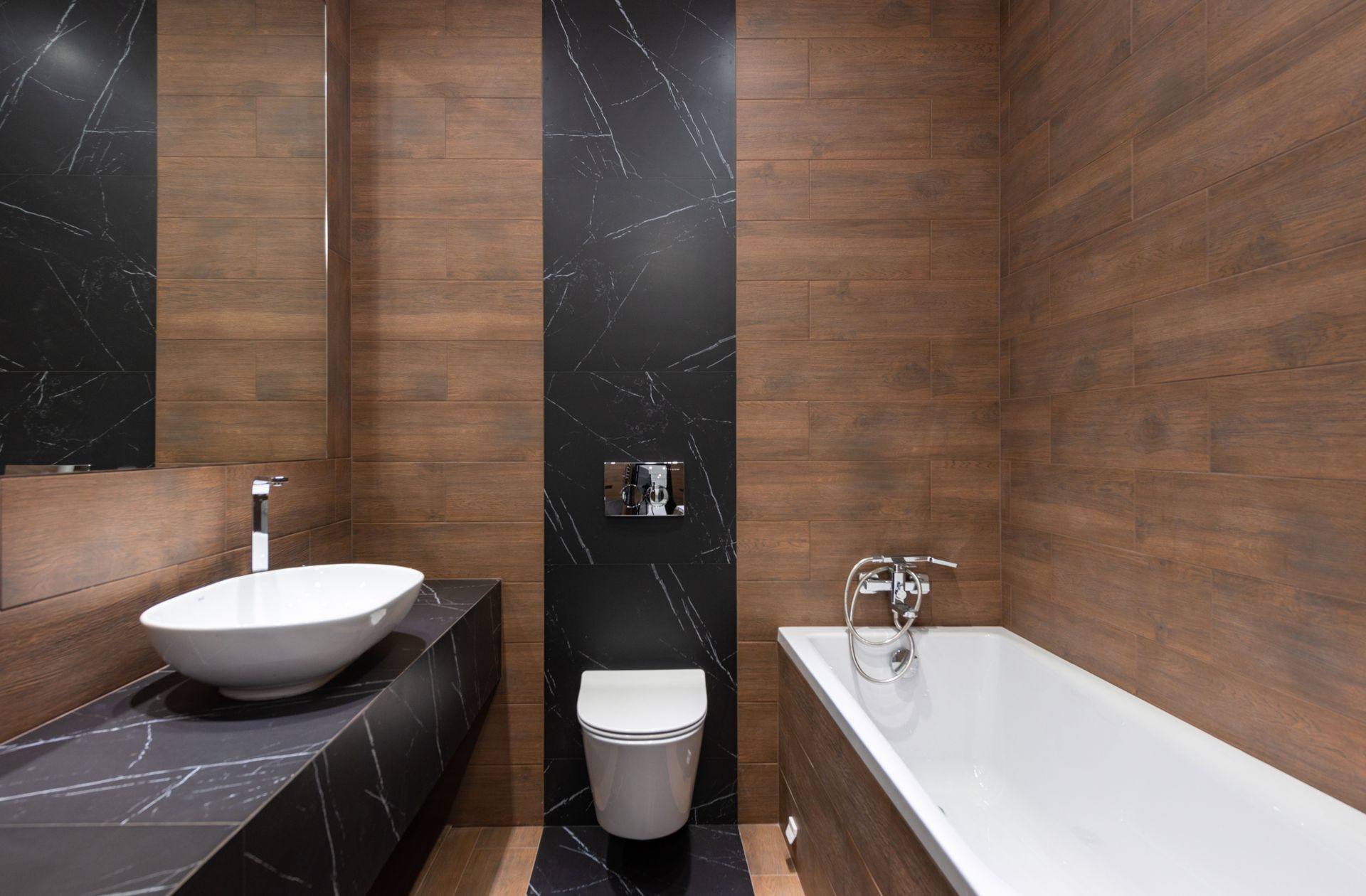
The type of fit-out directly impacts the final cost of a commercial bathroom renovation. Basic fit-outs typically include standard fixtures and functional finishes designed for practicality and durability. Premium fit-outs involve high-end tiles, designer fixtures, custom partitions, and advanced lighting features. These upgrades significantly increase both material and labour expenses but enhance visual appeal and user experience.
3. Plumbing and Electrical Work
Plumbing and electrical systems are critical components of any commercial bathroom renovation. Costs increase when existing pipework must be upgraded or relocated to suit a new layout. Electrical upgrades may include improved lighting systems, exhaust ventilation, sensor taps, and compliance-related installations. These elements add to both material and labour costs but are often required to meet commercial standards.
4. Compliance and Accessibility Requirements
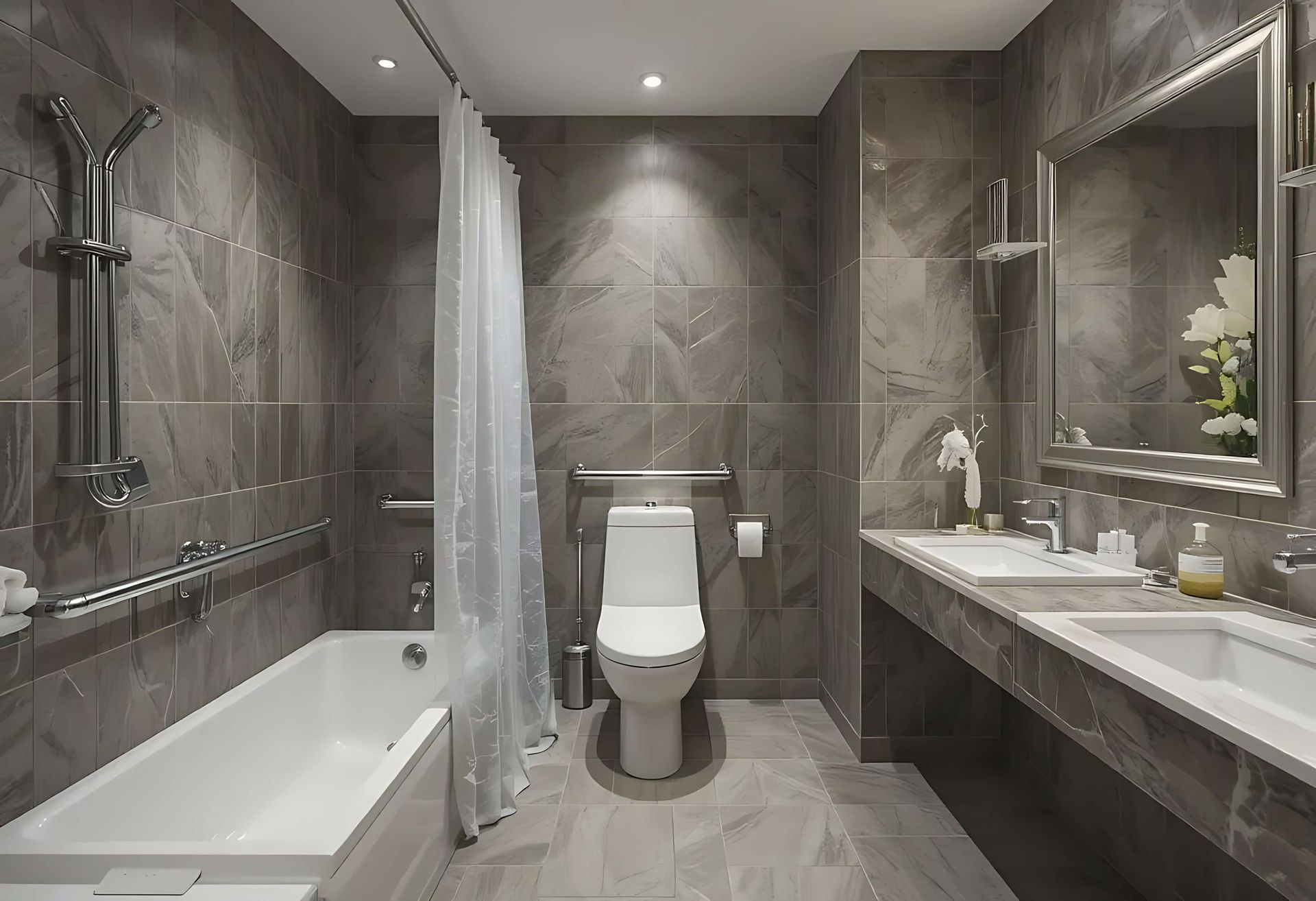
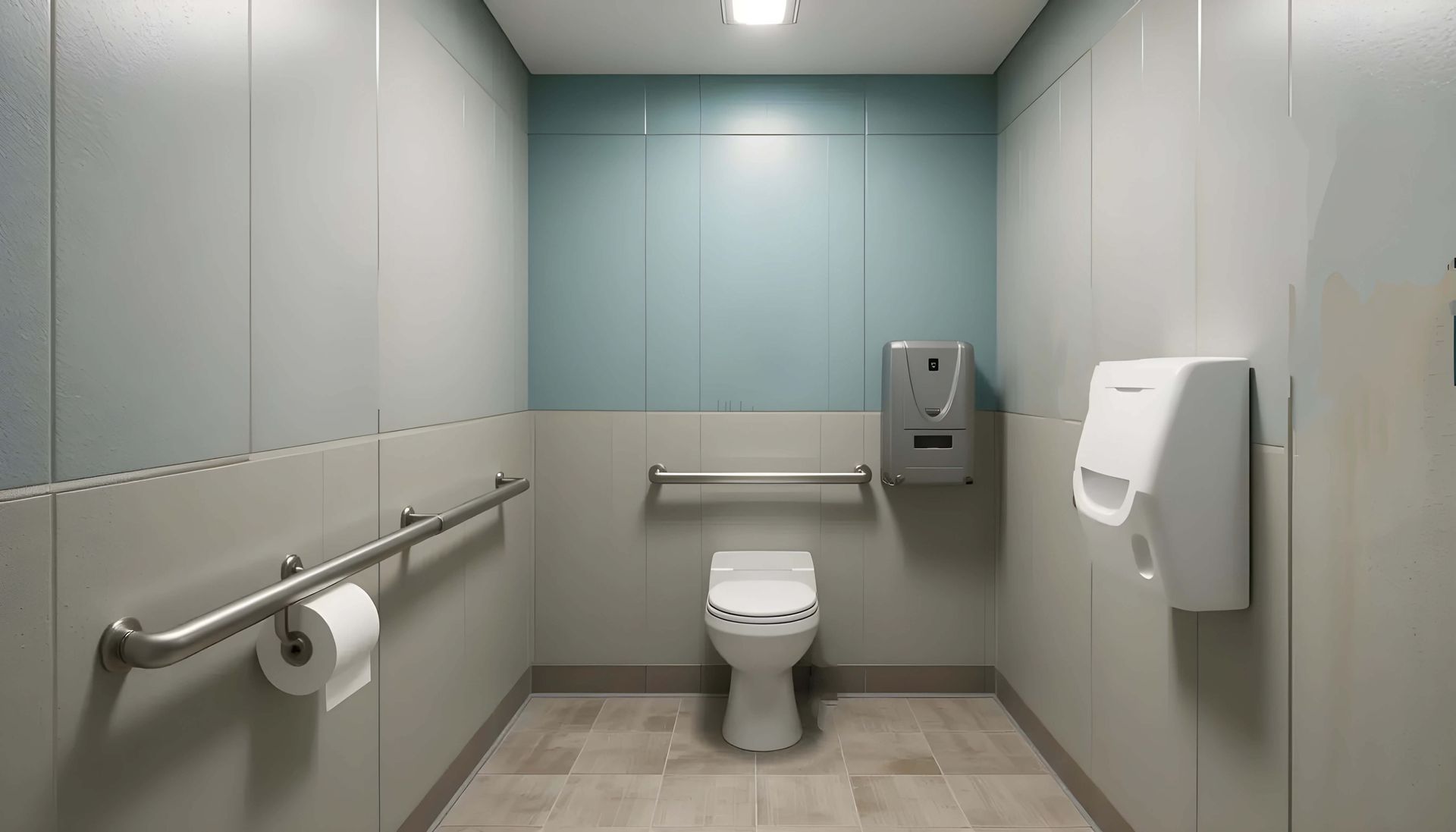
Commercial bathrooms in Sydney must comply with Australian building codes, including NCC regulations and accessibility requirements under the Disability Discrimination Act (DDA). These requirements may involve additional space allocations, accessible toilet configurations, grab rails, and compliant fixture heights. Meeting these standards can increase costs, but it is essential for legal compliance and usability.
5. Waterproofing and Tiling
Waterproofing is a mandatory component of all commercial bathroom renovations and must be completed to strict standards. Certified waterproofing ensures long-term durability and prevents structural water damage. Tiling costs vary depending on material choice, design complexity, and installation method. Larger or premium tiles generally increase installation difficulty and labour costs.
6. Demolition and Site Preparation
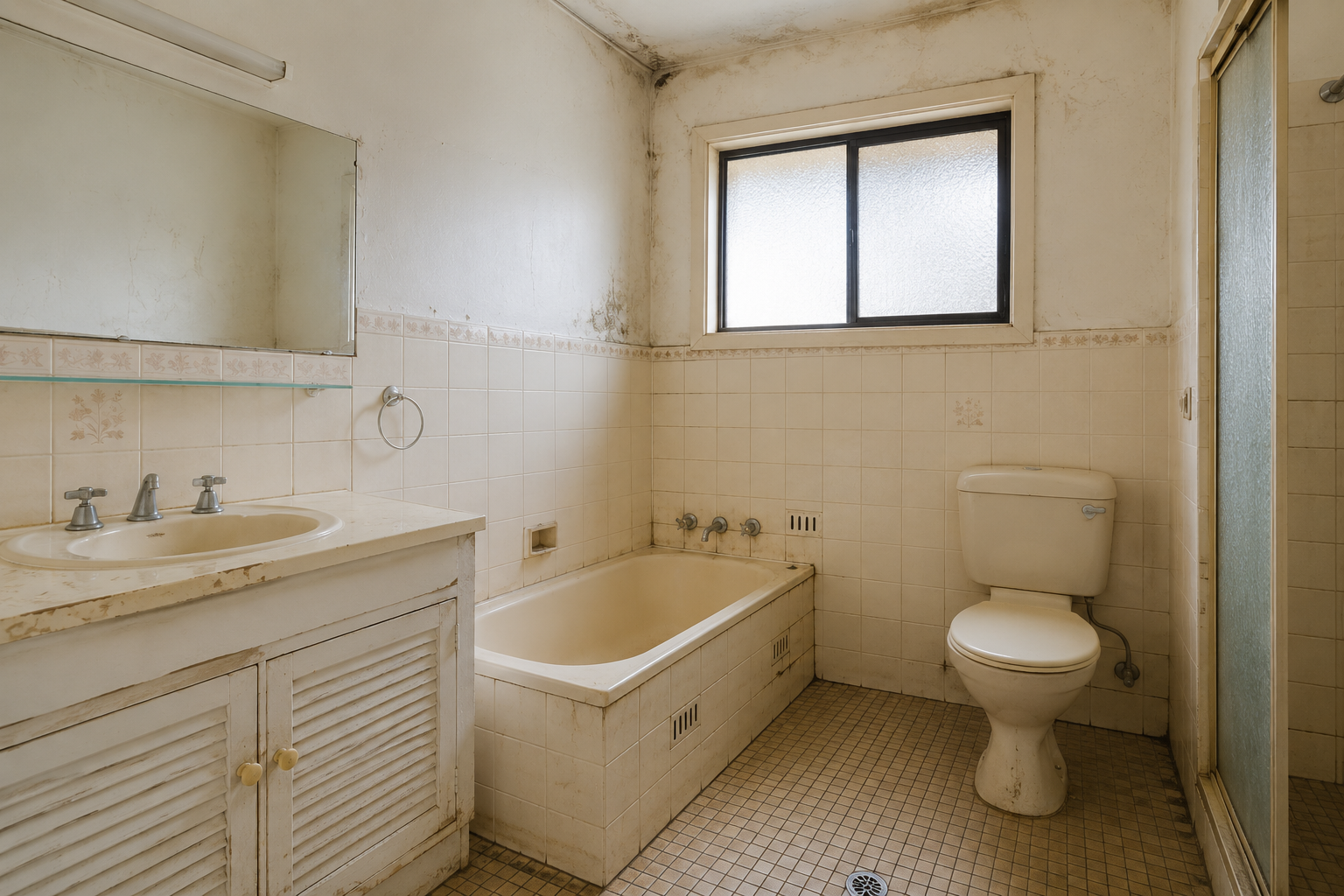
Before renovation work begins, existing bathrooms often need to be fully or partially demolished. This includes the removal of old fixtures, tiles, partitions, and plumbing elements. Site preparation also involves waste disposal and surface preparation for new installations. The condition of the existing bathroom can significantly affect the overall cost of this stage.
Cost Breakdown by Renovation Type
Small Commercial Bathroom Renovations
Small-scale renovations typically involve cosmetic upgrades such as replacing fixtures, updating tiles, and improving lighting. These projects are generally more affordable and are suitable for minor refurbishments rather than full redesigns. They are often used in small offices or businesses looking to refresh outdated bathroom spaces without major structural changes.
Medium-Scale Renovations
Medium-scale renovations include partial redesigns, updated layouts, and plumbing adjustments. These projects often balance functionality and design improvements while maintaining budget control. They are common in retail spaces and medium-sized offices where both aesthetics and usability need improvement.
Large-Scale or Full Fit-Out Renovations
Large-scale renovations involve complete bathroom redesigns, structural changes, and full compliance upgrades. These projects often require extensive planning, higher-grade materials, and longer construction timelines. They are typically used in hospitality venues, large office buildings, and high-traffic commercial environments where durability and presentation are critical.
Hidden Costs Businesses Should Expect
- Unexpected plumbing or structural issues: During demolition, hidden plumbing problems or outdated pipework are often discovered that were not visible during initial inspections. These issues can significantly increase both material and labour costs as they must be fixed to meet current standards.
- Construction delays and extended labour time: Project delays can occur due to supply issues, site conditions, or unexpected changes in scope. When timelines extend, labour costs increase because contractors and trades need to remain on site for longer than originally planned.
- Temporary facilities during renovation: In some commercial settings, businesses may need to install temporary bathrooms or portable facilities to continue operations. This adds additional rental, maintenance, and servicing costs for the duration of the renovation.
- Permits, approvals, and compliance certifications: Commercial bathroom renovations often require council approvals, inspections, and compliance certifications before completion. These administrative and regulatory requirements can add both time and extra costs, depending on project complexity.
Final Thoughts
Commercial bathroom renovation costs in Sydney depend on a wide range of factors, including size, materials, compliance requirements, and level of finish. While small upgrades may be relatively affordable, full commercial fit-outs can become a significant investment depending on project complexity. Understanding these cost drivers helps business owners make informed decisions and plan more effectively for renovation projects. Balancing functionality, durability, and design ensures long-term value and performance.
For professional and affordable commercial bathroom renovations across Sydney suburbs, contact Monument Bathrooms for expert design and installation services tailored to your business needs.
Ready to work with Monument Bathrooms?
Let's connect! We’re here to help.
Send us a message and we’ll be in touch.
Or give us a call today at 02-8598-8594
Agency Contact Form
More Marketing Tips, Tricks & Tools